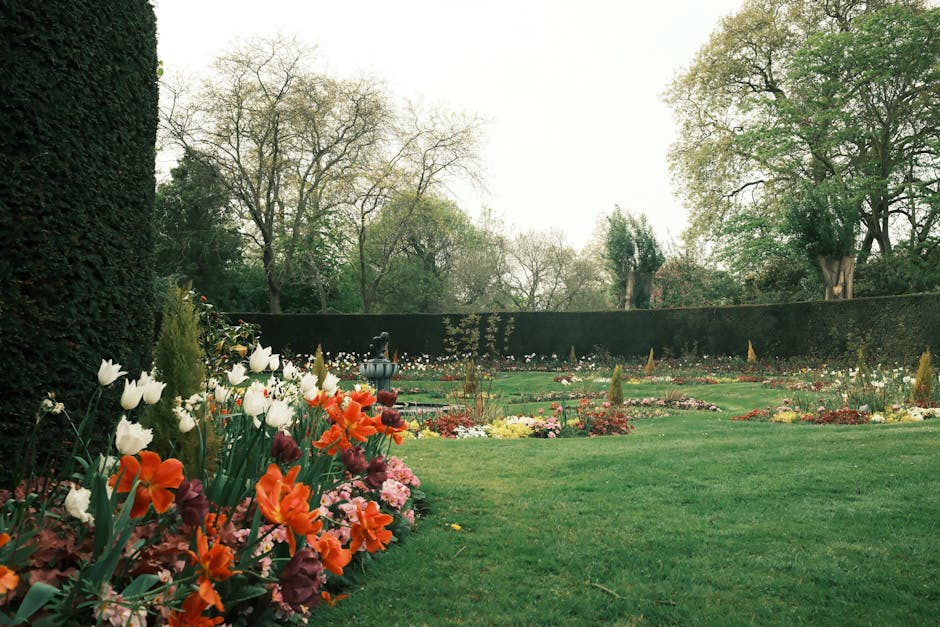
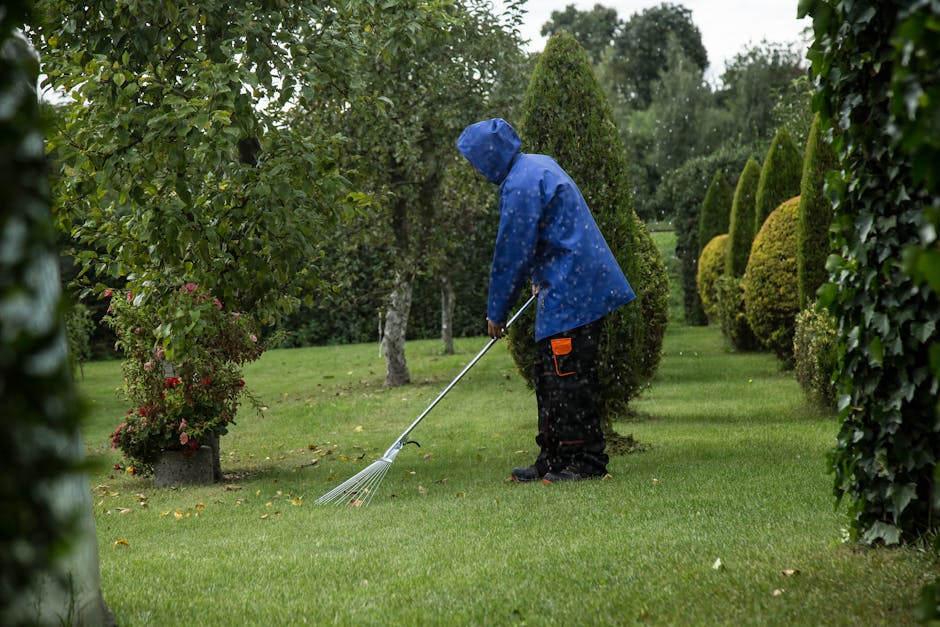
Beddington Park garden maintenance tips from Wallington gardeners
If you spend any time around Beddington Park, you will know the gardens nearby have to do a bit of everything: look tidy, cope with mixed weather, and still feel welcoming after a few wet days, a windy spell, or a sudden warm weekend. That is exactly why Beddington Park garden maintenance tips from Wallington gardeners are so useful. They are not just about making things look neat for a day or two. They are about keeping a garden healthy, manageable, and pleasant to use through the whole year.
In this guide, we will walk through what local maintenance really involves, how experienced gardeners approach it, and what you can do yourself without turning every Saturday into a full-time job. We will also cover common mistakes, useful tools, simple seasonal priorities, and when it makes sense to get extra help from a trusted team. To be fair, a lot of garden problems are easier to prevent than fix.
Contents
- Why Beddington Park garden maintenance tips from Wallington gardeners Matters
- How Beddington Park garden maintenance tips from Wallington gardeners Works
- Key Benefits and Practical Advantages
- Who This Is For and When It Makes Sense
- Step-by-Step Guidance
- Expert Tips for Better Results
- Common Mistakes to Avoid
- Tools, Resources and Recommendations
- Law, Compliance, Standards, or Best Practice
- Options, Methods, or Comparison Table
- Case Study or Real-World Example
- Practical Checklist
- Conclusion
- Frequently Asked Questions
Why Beddington Park garden maintenance tips from Wallington gardeners Matters
Beddington Park sits in a part of London where gardens often deal with shade, leaf fall, compacted soil, boundary hedges, and the usual urban mix of foot traffic, pets, and changing microclimates. That means a "quick tidy-up" is rarely enough for long. If you only trim, mow, or sweep when the garden looks messy, small issues tend to stack up. Moss spreads. Lawns thin out. Shrubs get leggy. Edges disappear. And once that happens, the garden starts looking tired even if you have only missed a few weeks.
Local gardeners in Wallington tend to think in terms of rhythm rather than rescue. They look at how often a space needs attention, what each season is doing to the soil and planting, and where practical shortcuts are harmless versus where they cause long-term damage. That approach matters because garden maintenance is really about balance: enough care to keep everything healthy, not so much interference that you end up fighting nature every month.
Another reason this topic matters is confidence. Plenty of homeowners know something needs doing, but not where to begin. Should you cut back now or wait? Is the lawn patchy because of shade or because it is hungry? Do those hedges need shaping or a proper reduction? Helpful maintenance tips cut through that uncertainty. They give you a sensible order of operations.
And let's face it, most people do not want a garden that becomes another source of stress. You want it to feel calm when you step outside with a mug of tea in the morning. Simple as that.
How Beddington Park garden maintenance tips from Wallington gardeners Works
Good maintenance works by layering small, regular tasks over the year. Think of it as keeping the garden in shape rather than putting it through a dramatic overhaul each spring. Wallington gardeners who work around Beddington Park typically focus on the basics first: lawns, borders, hedges, beds, paths, and any trees or shrubs that could become overgrown or unsafe if ignored.
The process usually starts with observation. Before cutting anything, you look at what the garden is actually telling you. Is the lawn struggling because of shade or compaction? Are the borders full but messy, or genuinely overcrowded? Is water sitting in one corner after rain? These little clues matter more than a generic checklist. Two gardens a few streets apart can need very different treatment.
From there, the work becomes seasonal. In spring, you clear winter debris, reshape growth, and feed what needs a boost. In summer, mowing and watering discipline matter more. In autumn, leaf management and pruning strategy become the big priorities. Winter is often about structure, safety, and avoiding unnecessary disturbance when the ground is heavy and plants are resting.
For example, if you have a lawn that gets dappled shade from a mature tree, a Wallington gardener will usually recommend a gentler mowing approach, sharper blades, and less aggressive feeding than you might use on a sunny front lawn. Same postcode area, different problem. That is the kind of detail people often miss.
Key Benefits and Practical Advantages
A well-maintained garden delivers more than appearances. Yes, it looks better. But the real gain is in how much easier it becomes to manage over time.
- Healthier planting: Regular deadheading, pruning, and weeding reduce competition and help plants put energy into strong growth.
- Better lawn condition: Consistent mowing, edging, and aeration improve the look and resilience of grass.
- Less emergency work: Small jobs done early are far easier than major clearance later on.
- Safer outdoor spaces: Paths, steps, hedges, and overhanging branches are easier to keep under control.
- More usable space: A tidy, functioning garden is simply more enjoyable, whether you are entertaining, relaxing, or keeping children and pets safe.
There is also a practical financial angle, though it is easy to overlook. Regular maintenance can reduce the need for bigger interventions like full garden clearance or major landscaping work. In plain English: a little routine care tends to be cheaper than a big rescue job. Not always, but often enough to matter.
If you are already comparing maintenance options, it can help to look at a broader overview of available garden services so you are not booking a one-off task when the garden really needs a joined-up plan.
Who This Is For and When It Makes Sense
This kind of guidance is useful for a wide range of people. Homeowners with small urban gardens, landlords trying to keep a property presentable, and busy families who simply do not have the time to manage everything every week will all get value from it. It is also handy if you have inherited a garden that looks fine at first glance but has a few hidden problems under the surface.
It makes sense when you notice any of these signs:
- The lawn is getting thin, patchy, or weedy.
- Hedges are starting to block light or spill over boundaries.
- Borders have become full of self-seeded plants and are difficult to weed.
- Paths are slippery with algae or leaf build-up.
- Tree growth is shading more than it should or dropping too much debris.
- The garden looks untidy even after you have spent a bit of time on it.
Some people also need a maintenance plan after a larger project. If you have recently had new planting, decking, or landscaping done, the first year or two matter a lot. New work settles in better when it is looked after properly. A neat design that is ignored can unravel surprisingly quickly.
For properties with structural changes, it may help to review related services such as landscaping support or decking services if your outdoor space has both planted and hard landscaped areas that need coordinated care.
Step-by-Step Guidance
If you want a reliable routine, keep it simple and repeatable. You do not need a thousand tasks. You need the right ones in the right order.
1. Start with a proper walk-through
Take ten minutes and look at the garden from different angles. Check what has changed since last week or last month. Notice where growth is crowding, where water lingers, and where weeds are spreading. This sounds basic, but it is where good maintenance begins. Without this step, people often spend time on the wrong thing.
2. Clear the obvious clutter first
Remove fallen branches, leaf piles, broken pots, and anything that is physically blocking access. If the garden has become genuinely overgrown, a more thorough garden clearance may be the cleaner starting point. Sometimes you need a reset before you can maintain properly.
3. Tackle the lawn with consistency
Mow little and often during active growth, rather than letting the grass shoot up and then scalping it all at once. Keep the blades sharp. Adjust the cut height through the season. If the lawn is in mixed light, avoid overcutting just to make it look neat for a day. It rarely ends well. A routine based on professional lawn mowing principles is usually far better than a random chop-and-hope approach.
4. Shape hedges and shrubs at the right time
Hedges should be trimmed with a view to both shape and health. Don't just shear them flat because it feels efficient. Check for nesting birds before cutting during the main nesting season, and keep an eye on whether the hedge is too dense inside. If it is, it may need a lighter, more careful trim rather than a harsh cut. For many gardens, hedge trimming is one of the quickest ways to improve the whole feel of the space.
5. Weed, edge, and mulch where it helps
Weeds are easier to deal with when they are small. Edges make a garden look crisp, even if everything else is fairly simple. Mulch helps retain moisture and suppress new weeds in borders. Use it thoughtfully, though. Too much mulch around stems can trap moisture where it is not wanted.
6. Prune with a purpose
Pruning is not about removing as much as possible. It is about improving structure, reducing crowding, and encouraging healthy regrowth. Dead, diseased, and crossing branches are usually the first to go. If a tree is getting too close to buildings, power lines, or neighbour boundaries, get proper advice rather than guessing. A cautious approach is best, especially with larger trees.
7. Finish with clean-up and a second look
Once the main tasks are done, sweep paths, collect clippings, and step back again. This final look often reveals what you missed the first time. A garden can feel fine from one angle and a bit chaotic from another. Funny how that happens.
Expert Tips for Better Results
Experienced gardeners tend to rely on a few habits that make a noticeable difference. Nothing flashy. Just sound practice.
- Cut less, more often: Whether it is grass or hedging, smaller regular cuts are usually kinder than heavy seasonal hacks.
- Keep tools clean and sharp: Ragged cuts heal poorly and make plants look untidy for longer.
- Work with the weather: Wet soil compacts easily. Frost makes some pruning jobs risky. Dry, mild conditions are usually easier on both you and the garden.
- Watch the edges of the garden: Boundaries, corners, fence lines, and shaded strips are often where neglect starts.
- Do not let one job become five: If weeds are small, deal with weeds. If hedges need trimming, do that separately. It keeps the workload sane.
One useful local habit is to keep an eye on the garden after storms or strong winds. In areas around Beddington Park, you can end up with surprise leaf fall, broken twigs, or a hedge that suddenly leans a little more than it did yesterday. That is the sort of thing that feels minor until it blocks light or damages planting underneath.
Another tip: keep notes. A tiny notebook, a phone reminder, even a rough calendar. You will start to notice patterns in your own garden, and that is half the battle. The same issue tends to return at the same time every year. Once you see it, it becomes much easier to manage.
Common Mistakes to Avoid
Most garden problems are not caused by one disastrous event. They happen through small, repeated mistakes. Truth be told, we have all done at least one of these.
- Cutting too much at once: Heavy pruning or mowing can shock plants and leave the garden looking stripped.
- Ignoring lawn conditions: Mowing a dry, stressed, or waterlogged lawn is asking for trouble.
- Letting hedges become too wide: Once they overhang paths or light sources, the job becomes harder and less pleasant.
- Using the wrong tool for the job: A blunt mower blade or mismatched pruner can make an ordinary task harder than it should be.
- Leaving clearance too late: If overgrowth has already swallowed the border, you may need a lot more work than a tidy-up would have required.
- Forgetting drainage and soil health: A garden that repeatedly puddles or stays compacted needs more than a cosmetic fix.
Another mistake is trying to make everything look perfect at the same time. It sounds sensible, but it can lead to overworking the garden and yourself. Focus on the high-impact areas first. The rest can follow. No need to wrestle the whole plot into submission on a Sunday afternoon.
Tools, Resources and Recommendations
You do not need a shed full of specialist kit to maintain a garden properly. A few dependable tools are enough for many homes. Choose quality over quantity where possible, because dull or flimsy tools waste time and often make worse cuts.
| Task | Useful tools | What to look for |
|---|---|---|
| Lawn care | Mower, edging shears, rake | Sharp blades, adjustable height, easy cleaning |
| Hedge work | Manual shears, hedge trimmer, gloves | Comfortable grip, clean cutting action, safe handling |
| Border maintenance | Hand fork, trowel, hoe, bucket | Sturdy handles, tools sized for the job |
| Pruning | Secateurs, loppers, pruning saw | Tools matched to branch thickness, clean cuts |
| Clearance | Rake, sacks, wheelbarrow | Durable, easy to move, not too awkward in tight spaces |
If you want to work more sustainably, think about how waste is collected and reused. Green waste can often be separated from general household waste, and some gardeners prefer systems that reduce unnecessary landfill. If that matters to you, it is worth reading up on the company's recycling and sustainability approach before booking a service.
For bigger projects or recurring maintenance, it also helps to know how estimates are put together. The clearer the scope, the easier it is to compare options sensibly. A good starting point is pricing and quotes information, especially if you are deciding between one-off help and an ongoing plan.
And if you want a sense of who is behind the work, a quick read of the about us page can be reassuring. It is a small thing, but it helps when you are trusting someone with your home.
Law, Compliance, Standards, or Best Practice
For most domestic gardens, the most useful reference point is not a pile of technical rules. It is sensible UK best practice: work safely, respect neighbours, avoid unnecessary disturbance, and take extra care with trees, hedges, and waste. If you are hiring help, you should expect clear communication about safety, insurance, and how the work will be carried out.
Bird nesting season is one area where caution matters. Before carrying out hedge cutting or major pruning, check carefully for active nests. If birds are nesting, the work may need to wait. That is not being awkward; it is just responsible practice. The same applies to larger trees and branches near structures. If in doubt, pause and assess rather than pushing on because the weather is good and you want it done quickly.
Safety is also practical, not theoretical. Ladders, powered tools, sharp blades, and falling debris all create risk if handled carelessly. A reputable gardener should work with appropriate precautions and sensible equipment, and you should feel comfortable asking how that is managed. If you are booking work on-site, it is reasonable to check the company's insurance and safety information and their health and safety policy.
For service terms, payment clarity, and complaint handling, the relevant pages should also be easy to find. That is just good customer practice. The same goes for accessibility and privacy. A professional outfit should not make you hunt around for basic information. It should be there, plain as day.
Options, Methods, or Comparison Table
When maintaining a garden near Beddington Park, you usually have three practical approaches: do it yourself, split the work between home care and occasional professional help, or hand over the full routine. The right choice depends on time, tools, and how much of the garden is getting away from you.
| Approach | Best for | Pros | Limitations |
|---|---|---|---|
| DIY maintenance | Small, manageable gardens | Lower cost, flexible timing, hands-on control | Can become time-consuming; easy to fall behind |
| Hybrid support | Busy households with regular upkeep needs | Good balance of cost and consistency | Needs clear planning so jobs do not overlap or get missed |
| Professional maintenance | Large, complex, or overgrown gardens | Reliable routine, better finish, less stress | Higher upfront spend than doing it all yourself |
There is no single perfect answer. A lot of people start with DIY, realise the hedge and lawn are taking more time than expected, and then move to a mixed approach. That is normal. The garden does not care about your ideal plan. It responds to what actually happens week by week.
Case Study or Real-World Example
Here is a realistic example from a typical Wallington home near a park-side route. The garden looked tidy from the back door, but the lawn had gone thin along one shaded edge, the hedge was spilling over the fence line, and a border near the patio had turned into a tangle of weed seedlings and old stems. Nothing dramatic. Just the sort of gradual decline that creeps up on you.
The first step was a light clearance of dead material and leaves. That alone made the space feel different. Then the hedge was reduced carefully rather than hacked back. The lawn was mown at a higher setting to avoid stress, and the border was weeded, edged, and mulched. No fancy redesign. No expensive overhaul. Just sensible maintenance in the right order.
Within a short time, the garden looked brighter and more usable. More importantly, the work became easier to maintain because the worst pressure points had been dealt with. That is the real win. Not perfection. Momentum.
In cases like this, many homeowners decide to keep the garden on a regular maintenance cycle instead of waiting for another seasonal rebuild. If the space needs broader shape changes later, then services like landscape gardening or a more tailored garden maintenance service can be the next sensible step.
Practical Checklist
Use this checklist as a quick seasonal reset. It is simple on purpose.
- Walk the garden and note what has changed since the last visit.
- Remove leaf litter, fallen twigs, and general clutter.
- Mow the lawn at the right height for the season.
- Trim hedges lightly and check for nesting birds first.
- Weed borders before the growth becomes established.
- Edge paths, lawns, and beds for a cleaner finish.
- Check for drainage problems or compacted patches.
- Prune dead, damaged, or crossing growth where appropriate.
- Inspect fences, decking edges, and hard surfaces for build-up or wear.
- Bag or separate green waste responsibly.
- Step back and look at the overall balance of the space.
If you only do three things this month, make them mowing, weeding, and clearing debris. Those three usually give the quickest visible lift. The rest can follow once the garden stops shouting for attention.
Get a free quote today and see how much you can save.
Conclusion
The best Beddington Park garden maintenance tips from Wallington gardeners are not about chasing perfection. They are about steady, practical care that keeps a garden healthy, safe, and pleasant to spend time in. If you focus on small regular jobs, respect the seasons, and deal with trouble spots early, the whole space stays easier to manage. That is what most people really want, after all.
Whether you are maintaining a compact family garden, keeping a rental presentable, or trying to bring an overgrown space back into shape, the same rule applies: start with the basics, stay consistent, and only move to bigger work when the garden genuinely needs it. A calm, well-kept garden has a way of making everything else feel a little lighter. It really does.
If you would like help planning the next step, you can also read more about the team's service options or get in touch through the contact page when you are ready.
Frequently Asked Questions
How often should a garden near Beddington Park be maintained?
For most gardens, light maintenance every one to two weeks during the growing season works better than leaving everything until it looks untidy. In quieter months, monthly checks may be enough. The right rhythm depends on lawn growth, hedge vigour, shade, and how much debris the garden collects.
What is the best first step if my garden has become overgrown?
Start with clearance rather than trimming everything blindly. Remove debris, identify what is healthy, and cut back in stages. If the space has become too cluttered to work in safely, a proper garden clearance can make the rest of the maintenance easier and far less frustrating.
Should I mow the lawn short to make it look neat for longer?
Usually, no. Cutting too short can stress the grass, especially in dry weather or partial shade. A slightly higher cut is often healthier and gives a better result over time. A neat lawn is good, but a stressed lawn is a pain to recover.
When is hedge trimming most effective?
That depends on the hedge type and growth rate, but the general idea is to trim when you can shape it without removing too much at once. Avoid cutting during active bird nesting periods if there is any sign of nesting. If you are unsure, a cautious approach is best.
Do I really need professional help for garden maintenance?
Not always. Smaller gardens with simple planting can often be handled in-house. But if the work is getting repetitive, physically awkward, or difficult to keep up with, professional help can save time and reduce the risk of doing the wrong thing at the wrong time.
What maintenance jobs make the biggest visual difference?
Lawn mowing, edging, hedge shaping, and clearing leaf litter usually make the biggest immediate difference. After that, weed control and border tidying tend to lift the whole space. It is often the edges and not the big feature planting that change the feel of the garden most.
How can I tell if a tree needs attention?
Look for deadwood, branches rubbing against each other, limbs hanging low over paths, or growth blocking light where it should not. If a tree is close to structures or looks unstable after heavy weather, get proper advice before cutting. Trees are not the place for guesswork.
What should I ask before hiring a gardener in Wallington?
Ask what is included, how waste is handled, whether the work is insured, and how often they recommend visits. It is also sensible to ask how they deal with safety and what happens if the job turns out to be larger than expected. Clear answers are a good sign.
Can regular maintenance reduce future costs?
Often, yes. Small routine tasks are usually less expensive than letting a garden decline until it needs major intervention. Preventative work tends to preserve plant health, reduce clearance needs, and make each visit quicker and more focused.
What if my garden has both planting and hard landscaping?
Then you need a maintenance approach that covers both sides of the space. Plants, lawns, paving, and decking all age differently. In many cases, it makes sense to combine garden care with related services like landscaping or decking services so the whole outdoor area stays in step.
How do I know whether a maintenance issue is urgent?
If something is affecting safety, access, or the health of a plant in a serious way, treat it as urgent. That includes slippery paths, broken branches, severe blockage, or fast-spreading weeds and disease. If it is mainly about appearance, it can usually wait a little longer, though not forever.
Where can I find more information about working with the company?
You can review the about us page, the insurance and safety information, and the terms and conditions. Those pages help set expectations before any work begins.
Is there a best time of year to book garden maintenance?
Spring is often busy because gardens wake up quickly, but autumn can be just as useful for clearing, shaping, and preparing for the quieter months. In reality, the best time is the time when you can keep on top of it. A garden does not wait politely.