Station Road Wallington gardeners for narrow access gardens
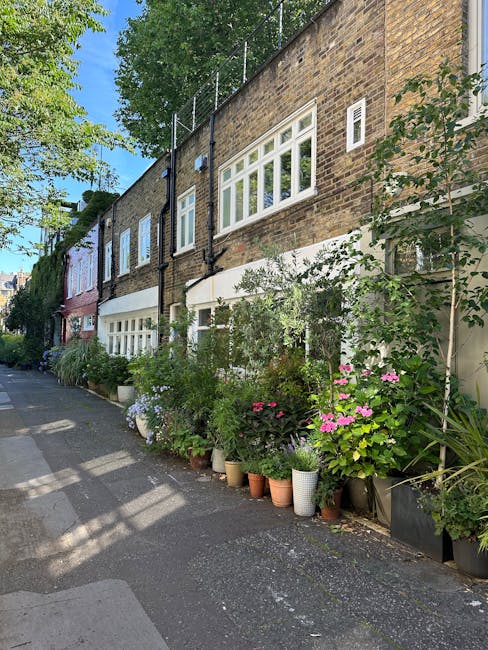
If your garden is tucked behind a side gate, down a narrow passage, or squeezed between brick walls and bins, you already know the problem: the garden may be small, but the access can make every task feel ten times bigger. That is exactly where Station Road Wallington gardeners for narrow access gardens come into their own. The right team can work carefully, move materials without damage, and still leave the space looking tidy rather than trampled.
This guide explains what narrow-access gardening involves, why it matters on Station Road in Wallington, how a professional service usually handles it, and what to look for before booking. We will also cover common mistakes, practical tools, and a realistic step-by-step process so you know what to expect. If you are comparing options, it should help you make a calmer, better decision. Let's face it, no one wants a neat little garden turned into a muddy hallway project.
Table of Contents
- Why Station Road Wallington gardeners for narrow access gardens Matters
- How Station Road Wallington gardeners for narrow access gardens Works
- Key Benefits and Practical Advantages
- Who This Is For and When It Makes Sense
- Step-by-Step Guidance
- Expert Tips for Better Results
- Common Mistakes to Avoid
- Tools, Resources and Recommendations
- Law, Compliance, Standards, or Best Practice
- Options, Methods, or Comparison Table
- Case Study or Real-World Example
- Practical Checklist
- Conclusion
- Frequently Asked Questions
Why Station Road Wallington gardeners for narrow access gardens Matters
Narrow access changes everything. A job that looks straightforward on paper can become slow, awkward, and surprisingly risky if the team cannot get equipment in and out cleanly. Think of a small rear garden accessed through a side passage only wide enough for a wheelbarrow, or a front path with a tight turn and low fence panels. In those cases, the gardener is not just working on the garden; they are planning the route in and out as carefully as the work itself.
For homeowners on or near Station Road, that matters for a few reasons. First, access affects timing. Second, it affects the type of tools that can be used. Third, it affects the finish you get at the end of the day. A professional used to tight access will often make better decisions about what to carry, what to dismantle, and what to remove in stages. That usually means less disruption and less mess.
It also matters because narrow-access gardens are more vulnerable to accidental damage. Soft soil can compact quickly. Slabs can scuff. Fences can catch wheelbarrow handles. Even a simple hedge cut can become fiddly if clippings need to be carried through a house or a narrow shared path. A good team plans around those realities instead of pretending they do not exist.
Expert summary: narrow access is not just an inconvenience; it is a working condition that should shape the whole job plan, from quoting to cleanup.
How Station Road Wallington gardeners for narrow access gardens Works
In practice, a narrow-access gardening job usually starts with a quick assessment. The gardener checks gate widths, turning space, ground conditions, head height, and whether any items need temporary removal. That might include loose furniture, pots, trellis panels, or garden waste that has built up in the awkward bits at the back. Small detail, big difference.
From there, the work is broken into manageable stages. For example, a maintenance visit might be split into pruning, cut-back, lawn work, and then a final tidy-up of pathways and edges. A clearance job may use smaller loads carried out in multiple passes rather than forcing one large movement through a tight route. If a team is experienced, you will usually see them working in a tidy rhythm rather than a rushed one.
For more complex jobs, such as reworking a cramped outdoor layout, it can make sense to combine maintenance with broader design thinking. In those situations, landscape gardening or landscaping may be part of the conversation, especially if the garden needs better flow, clearer access, or a more practical hard-to-soft balance. And if the space has become overgrown or cluttered, a dedicated garden clearance service can clear the slate without turning the job into chaos.
Good narrow-access gardening is rarely flashy. It is careful, methodical, and slightly unglamorous. Which is fine. Actually, that is the point.
Key Benefits and Practical Advantages
The biggest benefit is simple: you get the garden worked on without unnecessary stress. But there are a few more specific advantages worth calling out.
- Less damage risk: careful access planning reduces scuffed walls, broken edges, and crushed planting beds.
- Better use of time: experienced gardeners avoid backtracking and wasteful movement.
- Cleaner finish: smaller loads and staged waste removal usually mean less debris left behind.
- Safer work: tight spaces and awkward turns can be managed properly instead of improvised on the spot.
- More realistic pricing: a proper assessment helps avoid surprise complications later.
There is also a less obvious benefit: narrow-access specialists tend to be more observant. They have to be. When every trip through the side passage matters, you naturally notice loose paving, fragile edging, low-hanging branches, damp patches, and places where tools catch. That attention often improves the whole result.
For routine upkeep, services like garden maintenance, lawn mowing, and hedge trimming can be adapted to narrow access with the right planning. In a small space, consistency matters even more than bravado. A little and often approach usually wins.
Who This Is For and When It Makes Sense
This kind of service suits a lot of real homes, not just the obviously awkward ones. You might need it if your garden is reached through a side return, a shared alley, a back gate with little clearance, or even a house interior route where larger tools are simply unrealistic. Some people first notice the issue when a hedge cut or clearance job takes far longer than expected. Others only realise it when they try to move compost, soil, or old timber and think, "Right, this is not going to be a one-trip job."
It makes sense for:
- terraced homes with narrow rear access
- properties with limited side passages
- small gardens with heavy overgrowth
- older plots with awkward boundaries or tight corners
- homes needing regular upkeep but not enough room for standard equipment movement
It is also a sensible option if you value neatness and discretion. Some jobs need access through a house, and that means extra care around floors, doors, and indoor surfaces. Not every gardener will be comfortable with that. The right one will be calm about it, and that calmness is worth a lot.
If you are weighing up service quality, a useful starting point is the company's services overview and about us page, which can help you judge whether they sound practical and local rather than generic. You can also check their approach to insurance and safety before inviting anyone to work in a tight space.
Step-by-Step Guidance
- Measure the access properly. Not roughly. Properly. Check gate widths, passage widths, tight turns, steps, and any overhead restrictions.
- Identify the route for tools and waste. Decide where materials will come in and go out. If the route is through the house, protect floors and identify pinch points.
- List the main tasks. Are you after mowing, pruning, clearance, redesign, or all of them? Clear scope prevents muddled pricing and rushed work.
- Share photos and honest notes. A few images can save a lot of guesswork. Mention slippery areas, loose paving, locked gates, or fragile features.
- Agree the working method. A good gardener will explain whether they will use smaller tools, staged waste removal, or a split schedule.
- Prepare the space. Move ornaments, children's toys, and anything breakable out of the route. It sounds obvious, but it saves headaches.
- Check the tidy-up plan. Ask how clippings, soil, and old growth will be removed. For bigger jobs, you may need a dedicated clearance approach.
- Review the result before they leave. Walk the route with them. Check edges, gates, and hidden corners. Small issues are easier to fix immediately.
A detail people often miss: if access is very tight, the best approach is sometimes not to force the existing layout to work harder, but to simplify it. That could mean changing bed shapes, reducing bulky planting, or adding a more practical path. In a confined garden, less clutter can be a genuine upgrade.
Expert Tips for Better Results
Here are the bits experienced gardeners tend to know, but rarely spell out unless you ask.
- Keep the route clear before the team arrives. A narrow path becomes much easier to manage when bikes, bins, and pots are moved out of the way.
- Choose smaller, sharper tools. In tight spaces, precision beats brute force almost every time.
- Work from the back to the front. It helps prevent unnecessary traffic over areas already tidied.
- Use staged waste removal for bigger cuts. It reduces blocking and makes the site feel less chaotic.
- Think about future access, not just today's job. A garden that is easy to maintain is usually easier to enjoy as well.
If your garden has a lot of woody growth, combining the visit with tree lopping and removal or ongoing hedge trimming can sometimes make future maintenance much easier. And if the garden sits above or beside a decked area, a look at decking services may be useful if you are thinking about replacing awkward, hard-to-reach surfaces with something more manageable.
One more thing: do not be afraid to ask how the team handles awkward access. A confident professional will not get defensive. They will explain. That conversation tells you a lot.
Common Mistakes to Avoid
Most problems with narrow-access garden work come down to assumptions. People assume the team can simply "make it work", or that a standard quote will cover access challenges without discussion. Then the day arrives, and the job gets slower, messier, or more expensive than planned. Bit of a headache.
- Underestimating the access. A gate that looks fine for a person may be awkward for tools, waste bags, or wheelbarrows.
- Hiding the messy parts. If there is heavy overgrowth, broken paving, or stacked rubbish, say so up front.
- Booking the wrong type of service. A basic mow is not the same as a full clearance or redesign.
- Forgetting indoor protection. If access goes through the house, ask about floor coverings and cleanliness.
- Ignoring maintenance after the first visit. Narrow gardens can re-clog quickly if left too long between visits.
Another common mistake is trying to save money by choosing the cheapest option without checking whether the team has real narrow-access experience. In a regular garden, that might be fine. In a tight one, it can go sideways fast. Better to pay for the right method than to pay twice.
Tools, Resources and Recommendations
You do not need a shed full of specialist kit to keep a narrow garden under control, but the tools used should suit the access. Compact pruning tools, manageable waste bags, lightweight mowers, and small hand tools often make more sense than oversized gear. A tidy handover route matters too: gloves, tarps, and floor protection can save a lot of grief if the access is through a home.
For homeowners, the most useful "resource" is often a simple plan. Keep a note of:
- gate widths and route bottlenecks
- where waste can be stacked temporarily
- which plants are delicate or should be avoided
- how often the garden tends to overgrow
- whether indoor access needs extra protection
If you want a clearer picture of how costs and scheduling may be handled, the site's pricing and quotes page is a sensible place to look before booking. If you care about how waste is dealt with, the recycling and sustainability page may also be useful, especially for clearance-heavy jobs where clippings and green waste add up quickly.
And yes, it is worth asking about payment and security too. Not the most exciting part of the conversation, admittedly, but it matters. Payment and security information should be clear and reassuring.
Law, Compliance, Standards, or Best Practice
For narrow access gardens, the main compliance concerns are usually practical rather than dramatic: safe manual handling, careful movement through tight areas, sensible use of tools, and respect for property. In the UK, garden work should follow normal health and safety expectations, especially where there is lifting, cutting, working near boundaries, or moving equipment through confined routes.
That does not mean every job needs bureaucracy. It does mean a reputable gardener should think about risk before starting. Examples include checking for trip hazards, avoiding unstable ground, handling waste in a way that does not obstruct escape routes, and working carefully around glass, fencing, and neighbouring property. If anything feels unsafe, it should be paused and reassessed. Simple as that.
It is also good practice for a gardener to be insured and to communicate clearly about scope. You are not being fussy by asking. You are being sensible. A business that also publishes clear policies, such as health and safety policy, insurance and safety, and complaints procedure, is usually signalling that it has thought things through rather than improvising.
If you need extra reassurance about how the business handles information, privacy policy and terms and conditions pages are worth reviewing before you commit. That kind of transparency is not flashy, but it is a good sign.
Options, Methods, or Comparison Table
Different narrow-access jobs need different approaches. Here is a simple comparison to help you think it through.
| Method | Best for | Pros | Watch-outs |
|---|---|---|---|
| Light maintenance visit | Regular tidy-ups, mowing, weeding, edging | Quick, lower disruption, easy to repeat | Not enough for serious overgrowth |
| Staged clearance | Heavy cut-back, debris removal, reset jobs | Handles awkward access more safely | Can take longer than a standard visit |
| Access-led landscaping | Reworking a cramped or poorly planned garden | Improves future maintenance and flow | Usually needs more planning and budget |
| Mixed approach | Gardens needing both cleanup and redesign | Flexible and practical | Requires a clear scope from the start |
There is no perfect universal method. A small overgrown courtyard may need clearance first, then maintenance. A long narrow passage garden might benefit from layout changes before any serious planting. In other words, the access problem is often a design problem too. That is the bit people realise after the first job, usually.
Case Study or Real-World Example
Picture a typical Wallington terrace garden with rear access through a narrow side gate and a few awkward steps down to the back. The owner has let the space go for a while, partly because every time they looked at it, the access felt like the real obstacle. Clippings from the hedge were building up, the lawn had become patchy, and a small pile of old pots had turned into a permanent feature.
A sensible narrow-access approach would start with a quick survey, then a split job: first remove the clutter and cut-back growth, then tidy the path, then deal with the lawn, and finally clear waste in manageable loads. Instead of trying to drag everything out at once, the team would work in sections. You can almost hear the difference in the garden as it changes: less rustle of overgrowth, more open space, easier movement.
What tends to surprise homeowners is how much calmer the garden feels once the access route itself is respected. The space stops fighting back. And once that happens, future visits become much easier. The garden does not suddenly become large, of course. But it becomes usable. That is a proper win.
Practical Checklist
Use this before booking or before the team arrives.
- Measure the narrowest point of access
- Check whether gates open fully
- Clear bins, toys, bikes, and loose pots from the route
- Note any steps, slopes, or slippery sections
- Identify fragile plants or ornaments
- Decide whether waste will go through the house or via the garden route
- Share photos of the access and problem areas
- Confirm whether the job is maintenance, clearance, or both
- Ask how large waste and clippings will be removed
- Review insurance, safety, and payment details before work starts
If you can tick most of those off, you are already in much better shape than many people who just hope for the best. Hope is lovely. Planning is better.
Conclusion
Station Road Wallington gardeners for narrow access gardens are not just about squeezing tools through a small gap. They are about understanding how space, route planning, safety, and finish all connect. A garden with awkward access can still be manageable, attractive, and easy to maintain, but it usually needs a more thoughtful approach than a standard job.
Whether you need simple upkeep, a one-off reset, or a more considered redesign, the key is to choose gardeners who are used to working carefully in tight conditions. Ask clear questions, share honest details, and expect a plan rather than a shrug. That alone will save time and stress.
Get a free quote today and see how much you can save.
And if all else fails, remember this: a narrow garden can still feel generous when it is looked after properly. Sometimes the smallest spaces give the biggest sense of relief.
Frequently Asked Questions
What do Station Road Wallington gardeners for narrow access gardens actually do?
They handle gardening work in spaces where access is restricted, such as narrow side passages, tight gates, or awkward rear routes. That can include mowing, pruning, hedge cutting, clearance, and small-scale landscaping.
How do gardeners manage waste in a narrow-access garden?
Usually by using smaller loads, staged removal, and a planned route for clippings or debris. If access is very tight, waste may need to be moved in sections rather than all at once.
Is a narrow access garden more expensive to maintain?
It can be, depending on the job. The access may increase labour time or make some tasks slower, but a proper assessment should keep pricing realistic and transparent.
Can gardeners work through my house if the back garden has no direct access?
Sometimes, yes, but it should be discussed in advance. Floors, doorways, and indoor surfaces may need protection, and the team should be comfortable with that arrangement before starting.
What should I tell a gardener before they quote?
Tell them gate widths, access route details, what needs doing, where waste can go, and whether there are steps, slopes, or fragile areas. Photos are very helpful too.
What if my narrow access garden is badly overgrown?
That usually means a clearance-first approach makes sense. Once the space is manageable again, ongoing maintenance is much easier and less disruptive.
Do narrow-access gardeners need special tools?
Often they use smaller, lighter, or more compact tools, along with protective materials and careful waste-handling methods. The main skill is choosing the right tool for the space, not forcing standard kit into a tight route.
How often should a narrow garden be maintained?
It depends on the planting and layout, but regular smaller visits are often better than letting the space build up into a bigger job. In cramped gardens, little-and-often usually wins.
Can narrow-access gardening include redesign or landscaping work?
Yes. In some cases, changing the layout, improving routes, or simplifying planting makes the garden much easier to manage. That is where landscaping or landscape gardening can be useful.
What questions should I ask before hiring someone?
Ask how they handle restricted access, whether they have insurance, how waste will be removed, what equipment they use, and whether the quote includes tidy-up. Straightforward questions, but very useful ones.
How do I know if a gardener is used to tricky access jobs?
They should ask practical questions early, not shrug them off. If they want photos, measurements, and a clear description of the route, that is usually a good sign. They are thinking properly.
Where can I check other services if I need more than garden maintenance?
You can look at the company's services overview, and if needed, review pages for garden clearance, hedge trimming, lawn mowing, tree lopping and removal, or decking services depending on what the garden needs.